Imposter Syndrome, Misused AI, and the Roadblocks to Progress (Profit Blockers)
Artificial intelligence is already changing the way we work, but in too many organizations, it remains misunderstood and underutilized. The reason isn’t the technology. It’s the professionals who allow imposter syndrome to dictate their behavior — turning AI into a personal crutch rather than a tool for company-wide transformation.
These individuals don’t just stall progress. They warp how AI is perceived, hiding behind vague questioning, outdated hierarchy, and self-protection, while overlooking its true potential to elevate teams, companies, and clients.
Imposter Syndrome in Disguise
At its core, imposter syndrome is the fear of being “found out.” Instead of admitting “I don’t know, but I’ll find out,” professionals overcompensate. Now, with AI in their hands, this shows up in two ways:
- AI as camouflage — producing polished work without true understanding.
- AI as ego boost — using the technology privately to prop up confidence, but never extending its benefits to colleagues, clients, or the business.
In short, they treat AI as protection against being exposed, not as a means to create value.
The Non-Question Question
These professionals reveal themselves in how they communicate. Their “questions” are rarely questions at all — ten-part rambles designed to sound thoughtful but ultimately empty.
- They avoid discussing AI directly, afraid that specifics might expose their shallow experience.
- Their framing is vague, because they’ve never done the work they’re now responsible for overseeing.
- The purpose isn’t to learn; it’s to shield.
When questions are really monologues, watch out for an imposter syndrome sufferer lurking nearby.
The “Beneath Me” Mindset
The language gives them away. A true leader measures success by how a team grows together. A true team player sees peers as partners in pursuit of a shared goal.
But when someone says, “This role might be beneath you,” it exposes a worldview shaped by insecurity. To them, colleagues aren’t teammates — they’re steps on a ladder. This corrosive mindset doesn’t build teams. It builds hierarchies designed to protect fragile authority.
AI as Crutch vs. AI as Catalyst
Here lies the real problem. For self-centered professionals gripped by imposter syndrome, AI is only a crutch: a personal tool to help them appear competent.
- It is not about improving workflows.
- It is not about helping teams work smarter.
- It is not about delivering better service to clients.
By keeping AI limited to their own insecurities, they withhold its true value. Meanwhile, professionals with vision know that AI’s real power lies in:
- Automating repetitive tasks so teams can focus on strategy.
- Strengthening analytics and forecasting to sharpen decision-making.
- Enhancing customer experiences with personalization and responsiveness.
- Driving growth across the business, not just appearances in the boardroom.
The Future Belongs to Visionaries
Here’s the good news: these insecure blockers won’t hold the future forever. Their behaviors expose themselves the moment better questions are asked:
- “How have you applied AI to improve business outcomes?”
- “Where could AI automate work to free up talent?”
- “How would you scale AI across the company, not just for yourself?”
Those trapped by imposter syndrome stumble. Those with vision thrive.
Final Thought
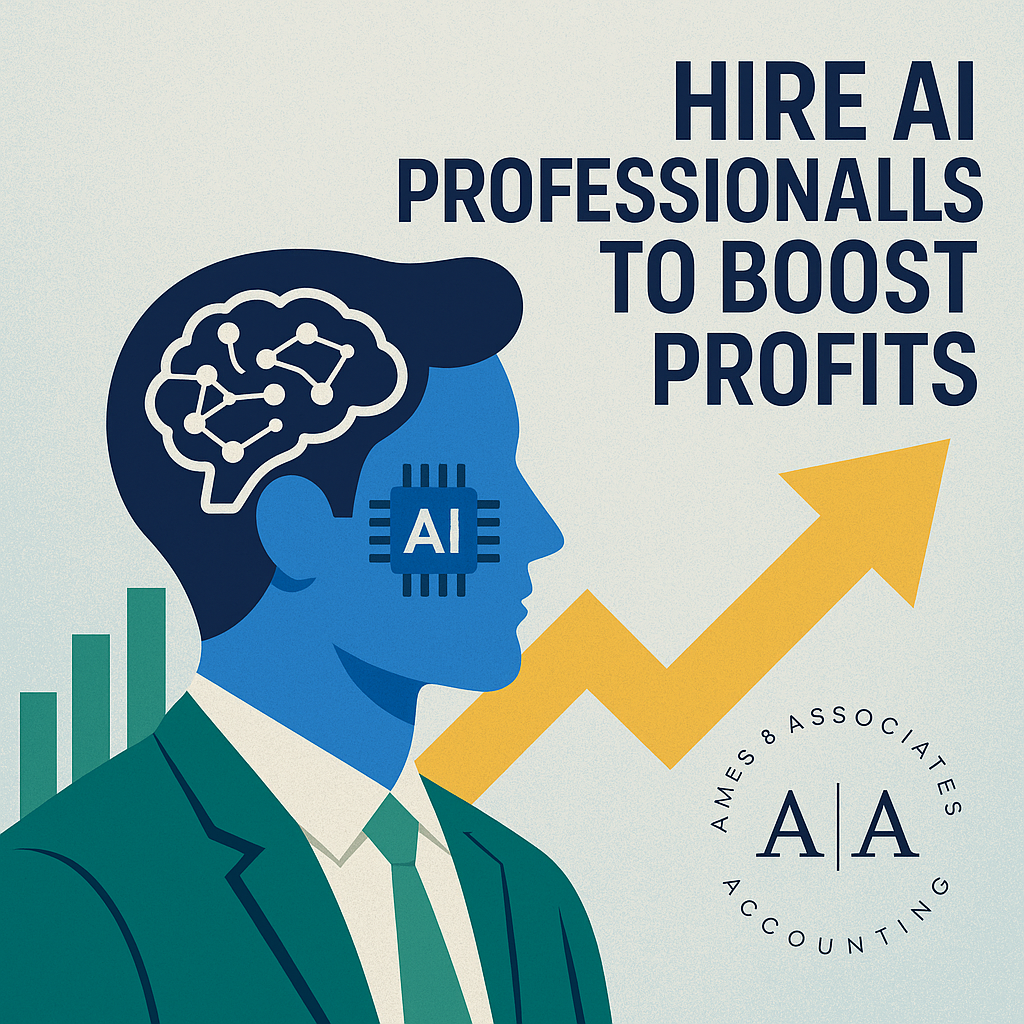
AI will not reach its full potential in the hands of professionals who use it as a shield. It will transform organizations through leaders who see it as a catalyst — not just for themselves, but for their teams, their companies, and their clients.
The future looks bright for AI operators with vision. The self-centered professionals who let imposter syndrome take control will eventually be left behind. Those who rise above it — open, collaborative, and forward-looking — will shape the workplaces of tomorrow.
Key Takeaway: AI’s greatest obstacle isn’t the technology — it’s the small-minded professionals who let imposter syndrome turn it into a personal crutch. The future belongs to those who harness AI as a catalyst for collective success.